
What is Europe up to these days?
I recently travelled to Europe and saw some interesting art trends and spectacular ceramic archives.
Belgium was thriving with multi-disciplinary artists. Musicians were always present from Brussels to Bruges. I found myself in an underground bar listening to a patron who also happened to be an International Opera singer travelling through Europe, and she treated us to an incredible performance. Having never listened to Opera before (I’m more of an ‘80s chick!), I was physically moved by listening to a live performance. Not just being mesmerised by the emotion of the performance, but the actual vibrations I felt in my body sitting so close to the artist. There is a reason it’s an artform that has survived over 400 years. Granted, pottery has been around for over 20,000 years, but let’s be honest, those first few years were more about trying to contain food and liquids from spilling! In 2026, I have vowed to see an Opera performance in Sydney.
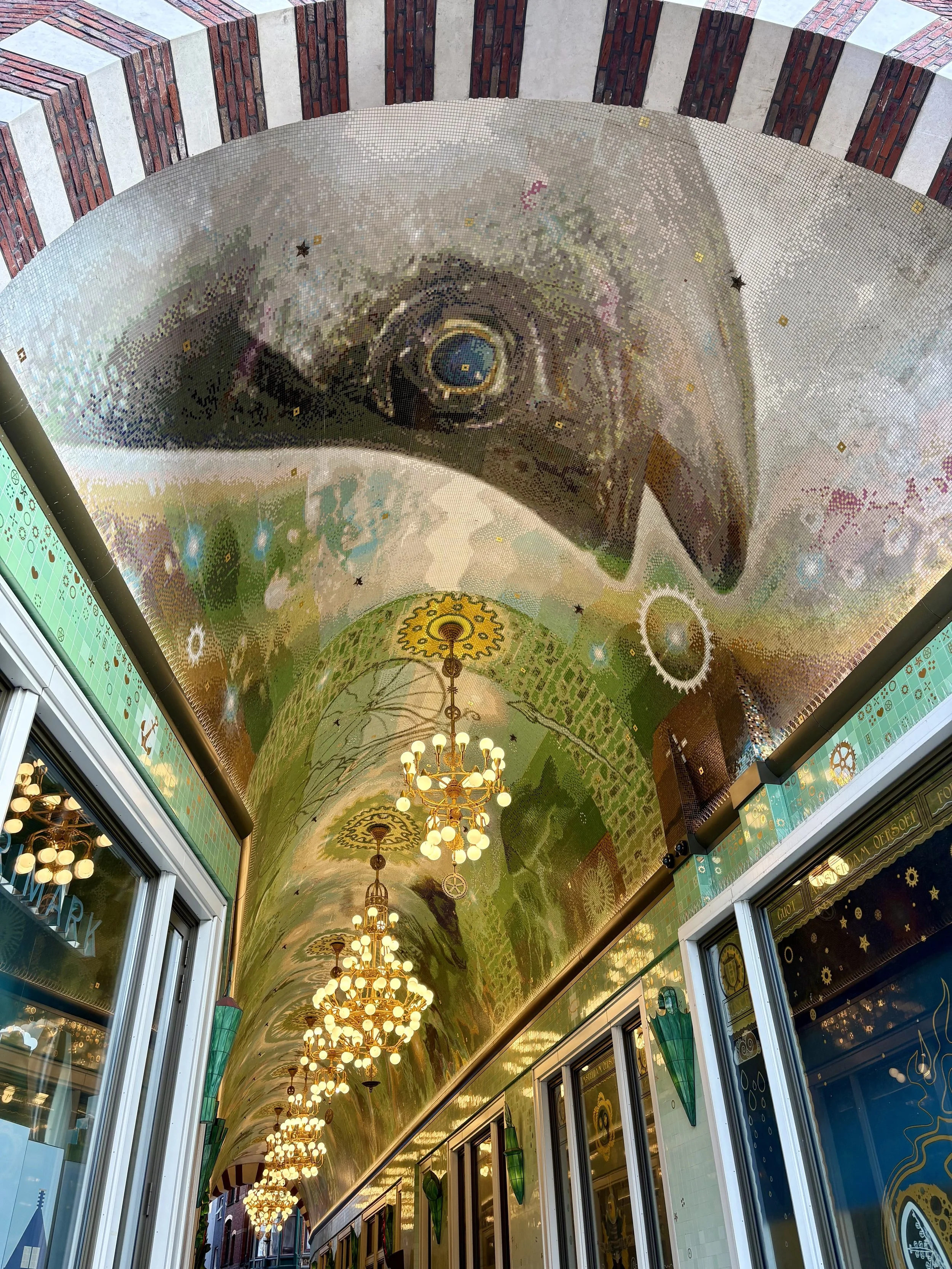
I also noticed in Belgium, painters from the 16th century to modern street artists are celebrated. Often, local living artists have received support to exhibit in council buildings, churches, chocolatiers and public spaces, allowing them to reach a wide audience.
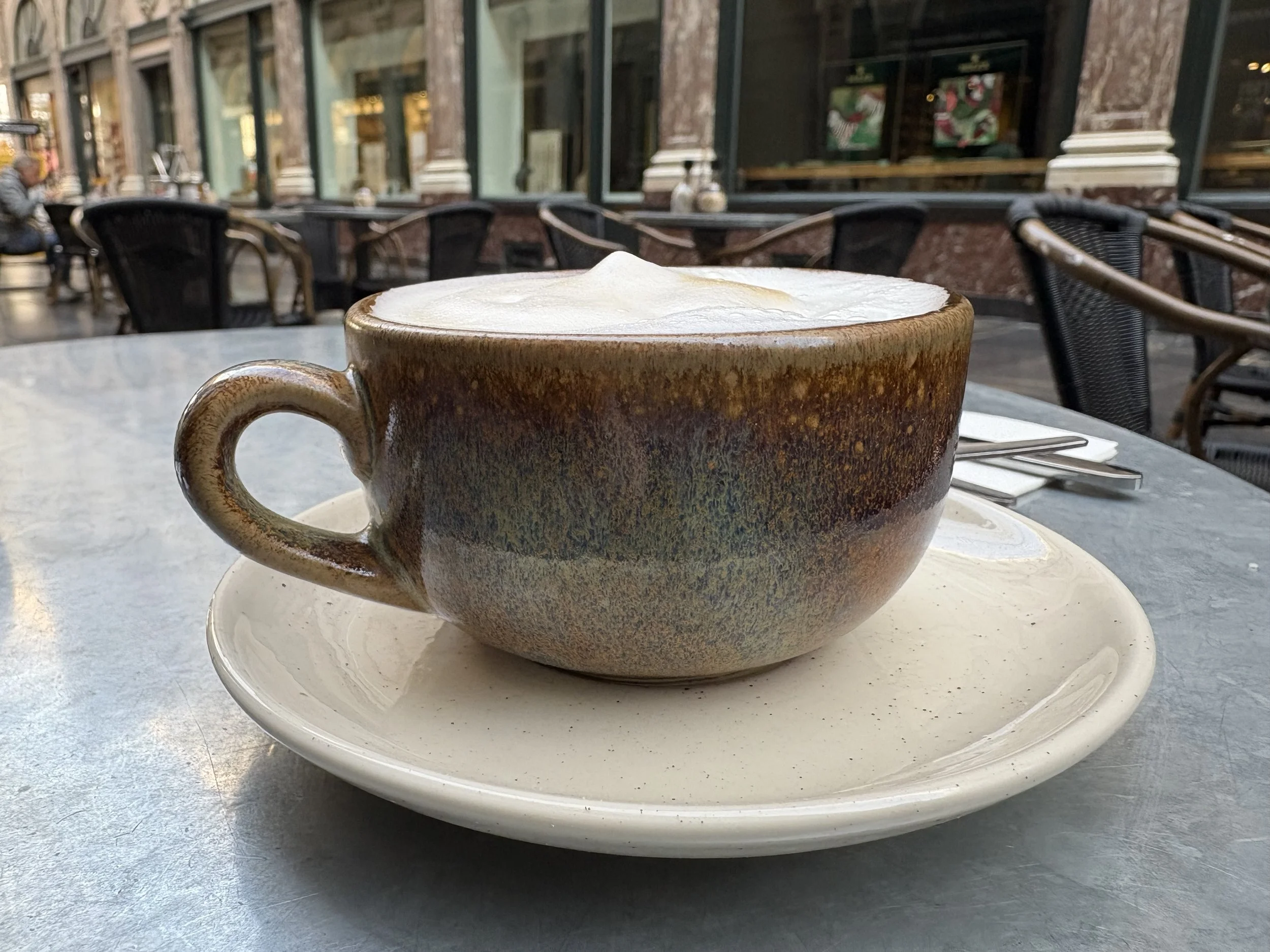
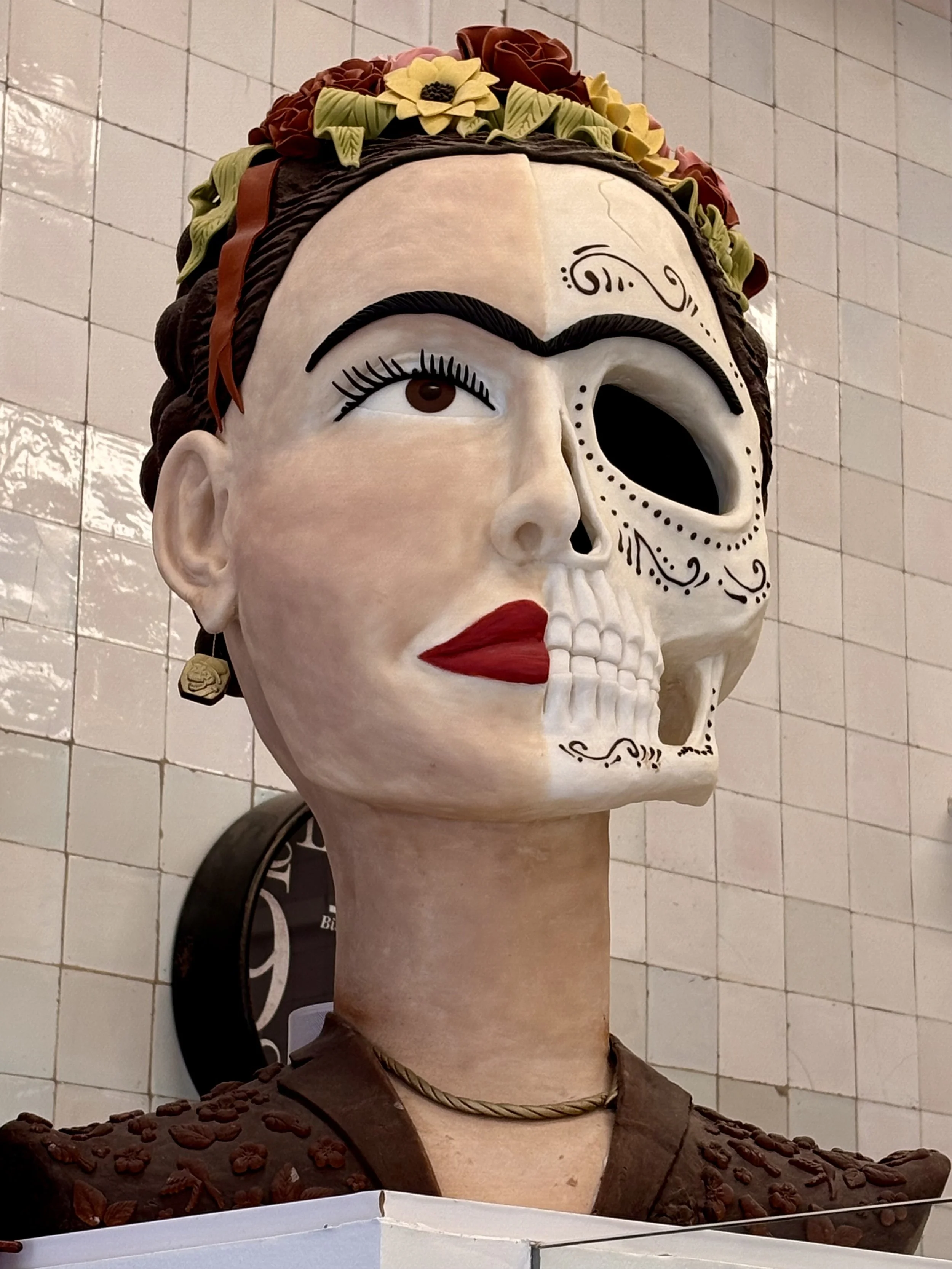
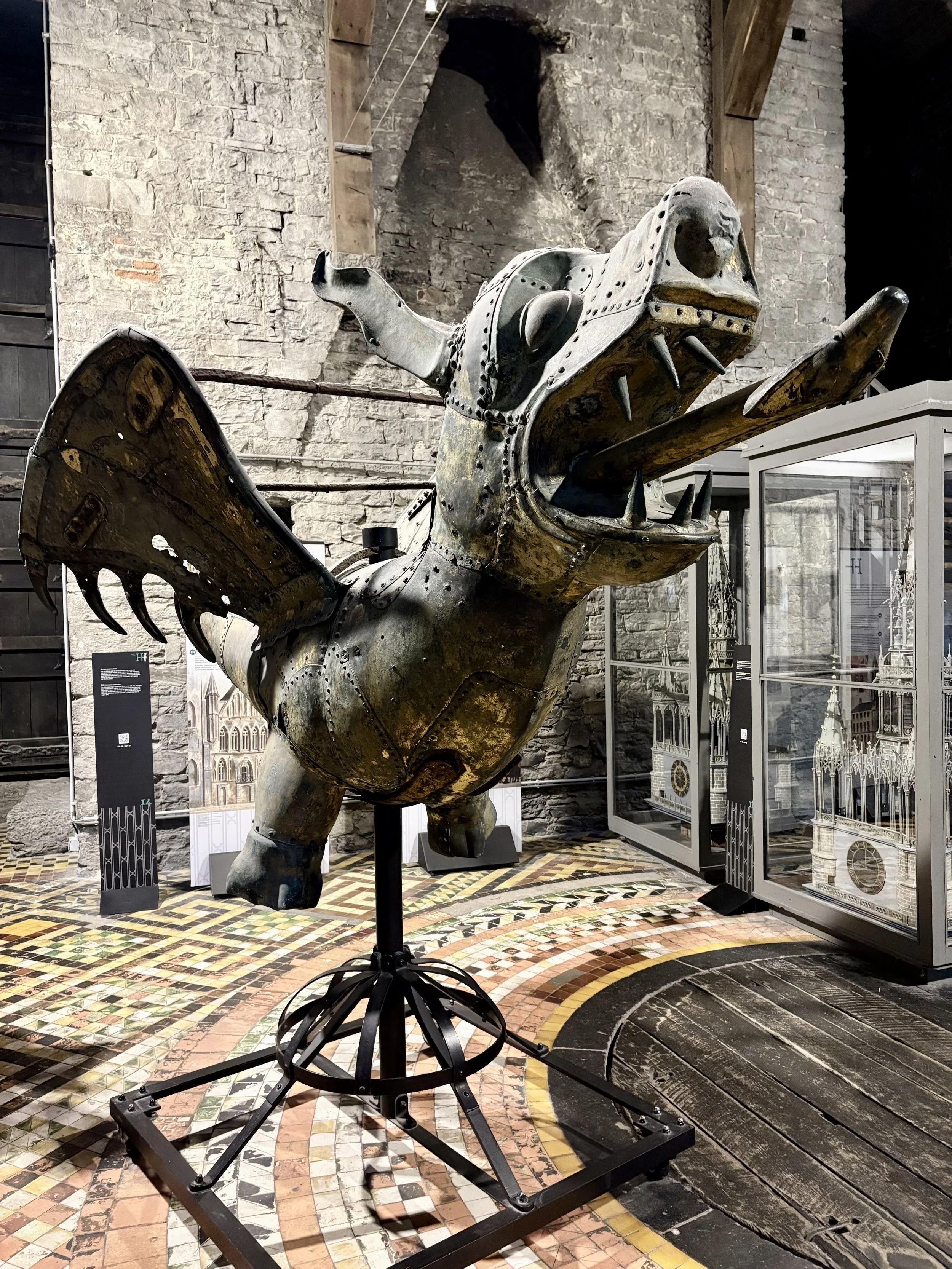
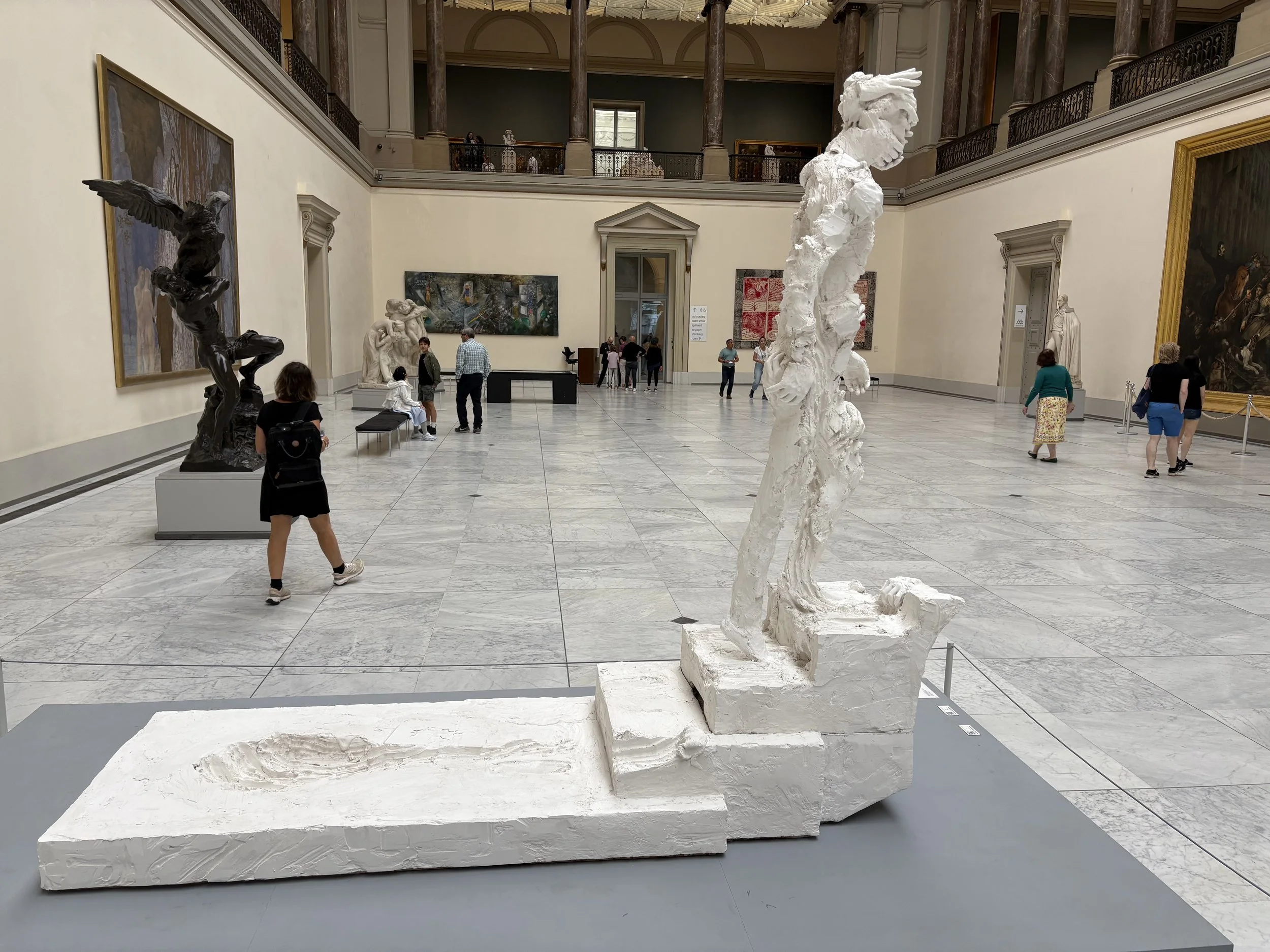
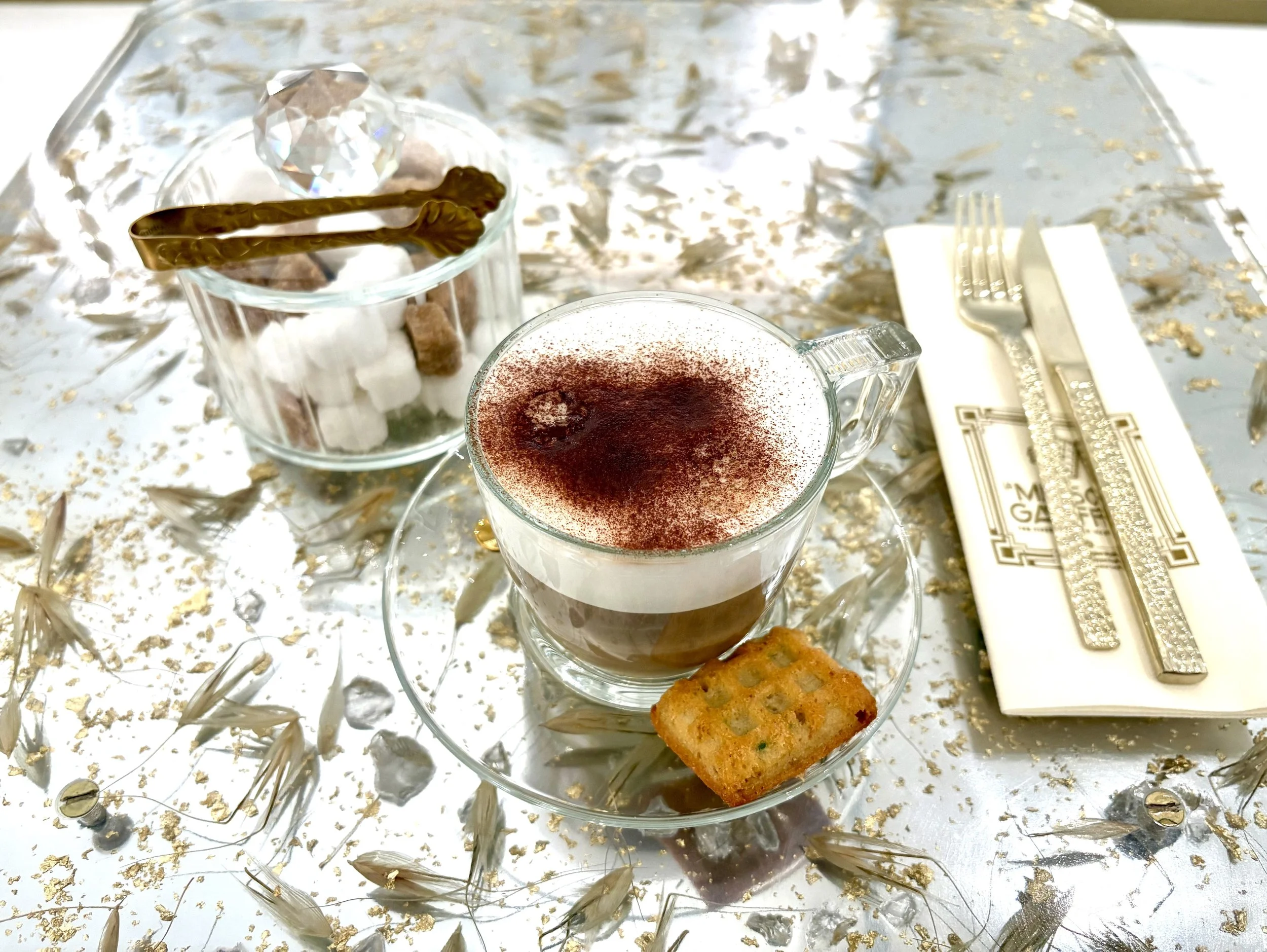
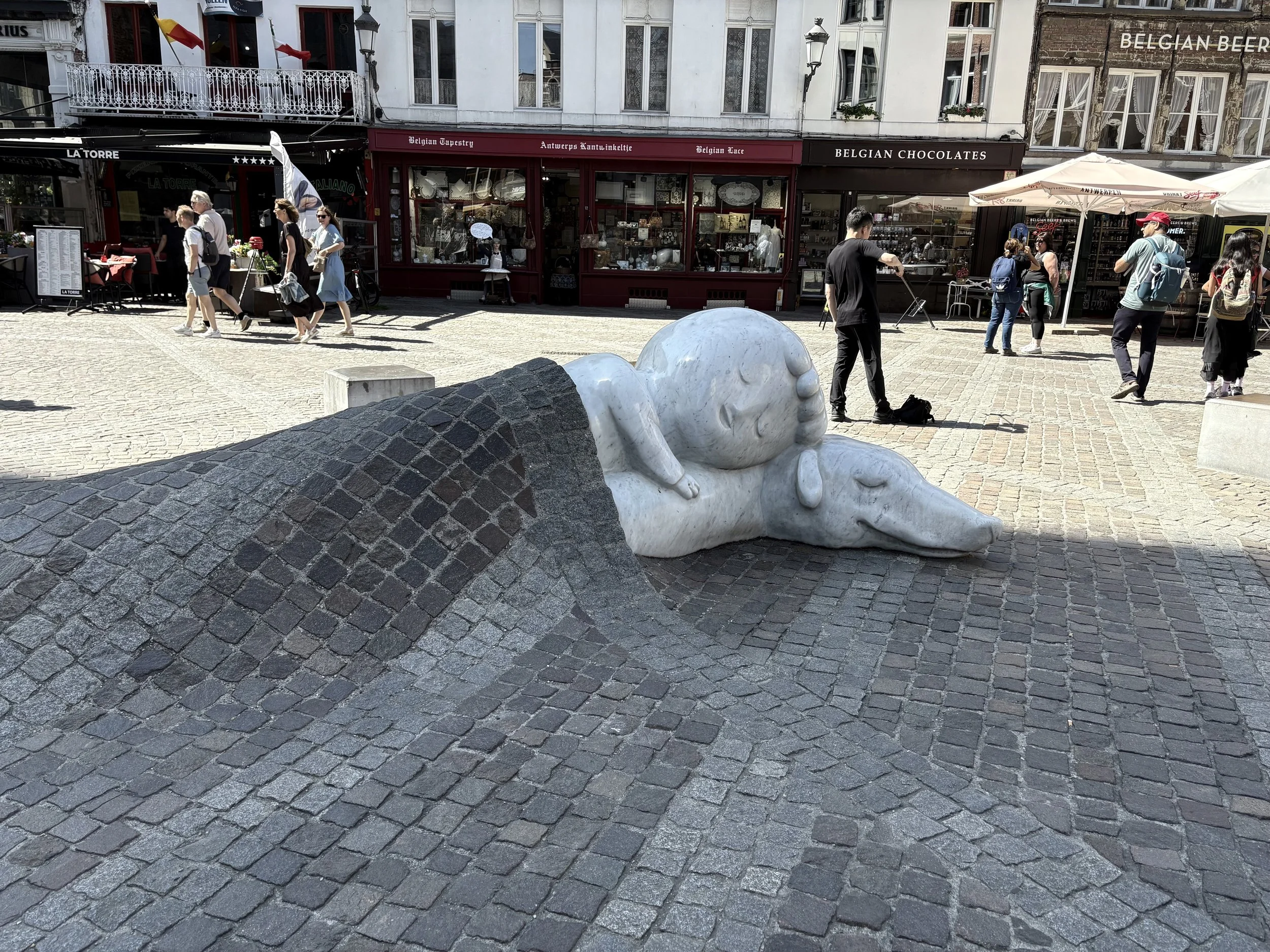
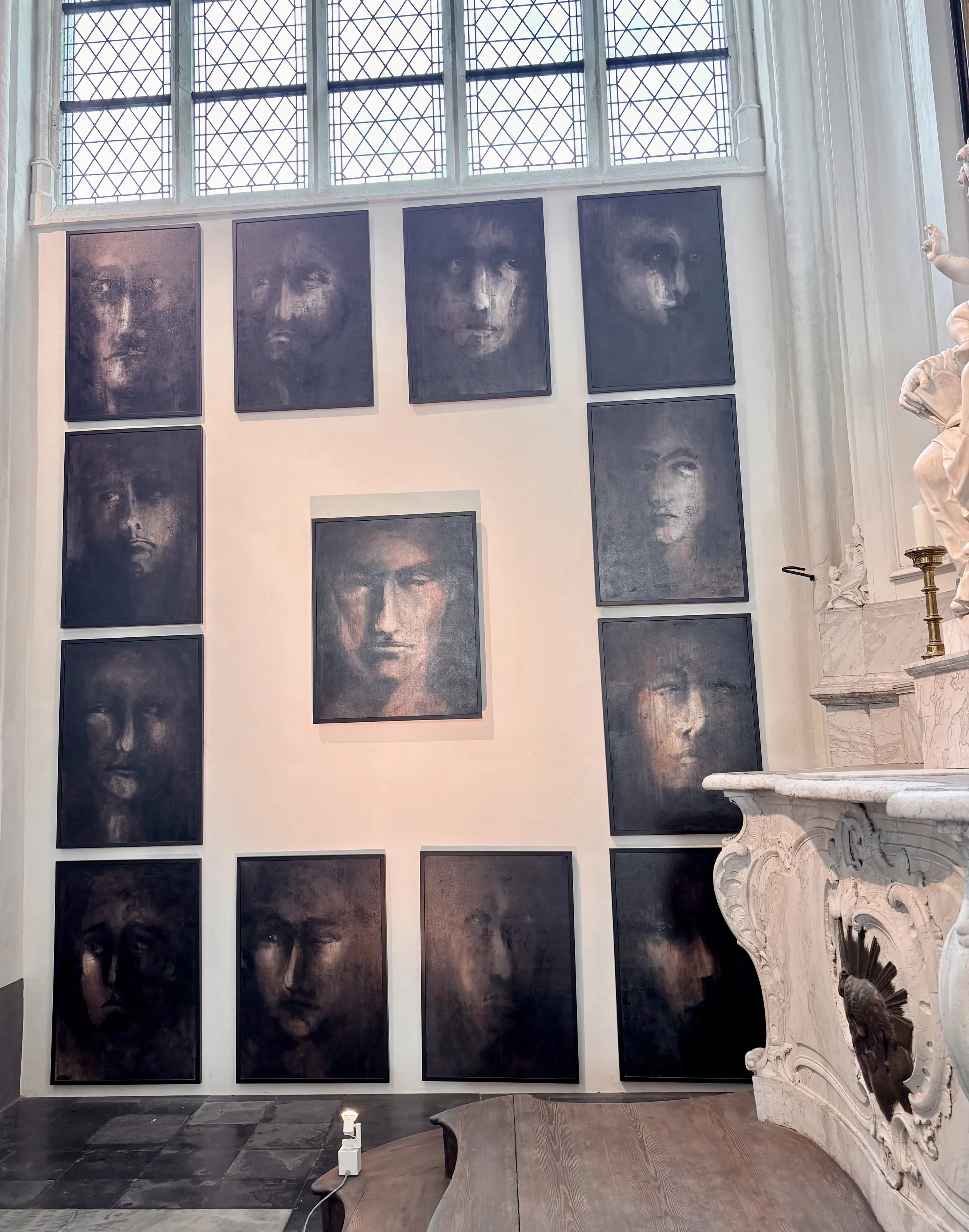
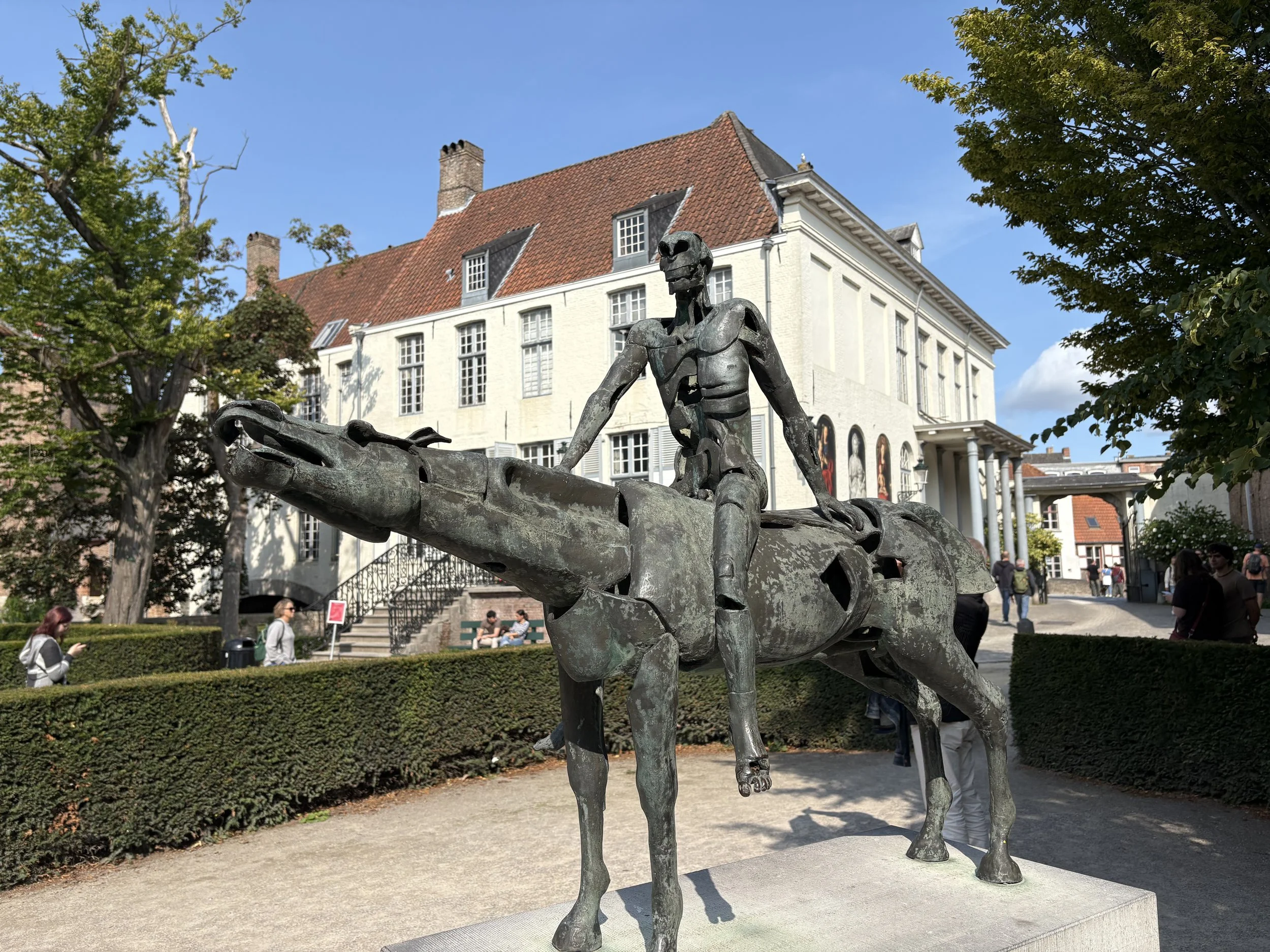
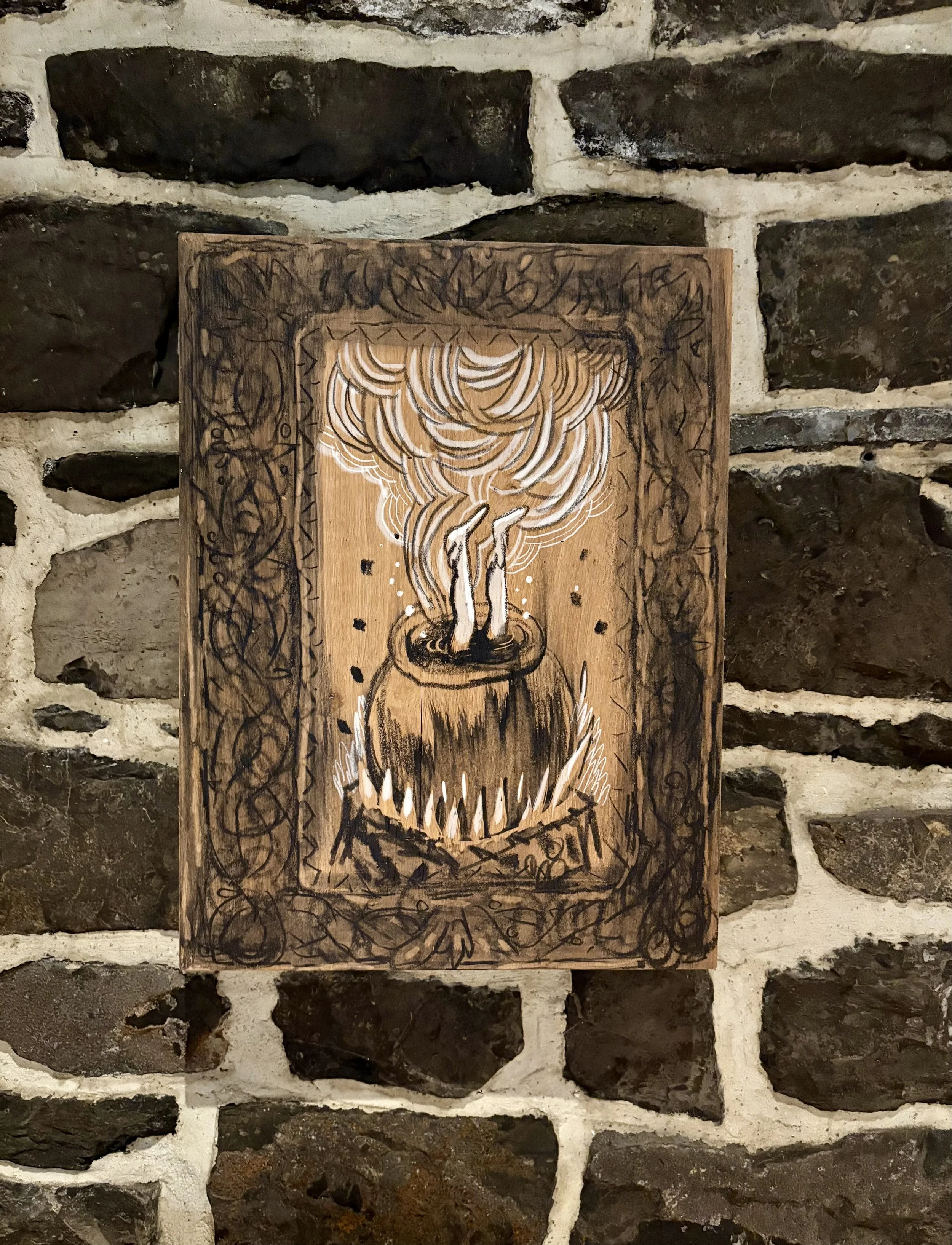
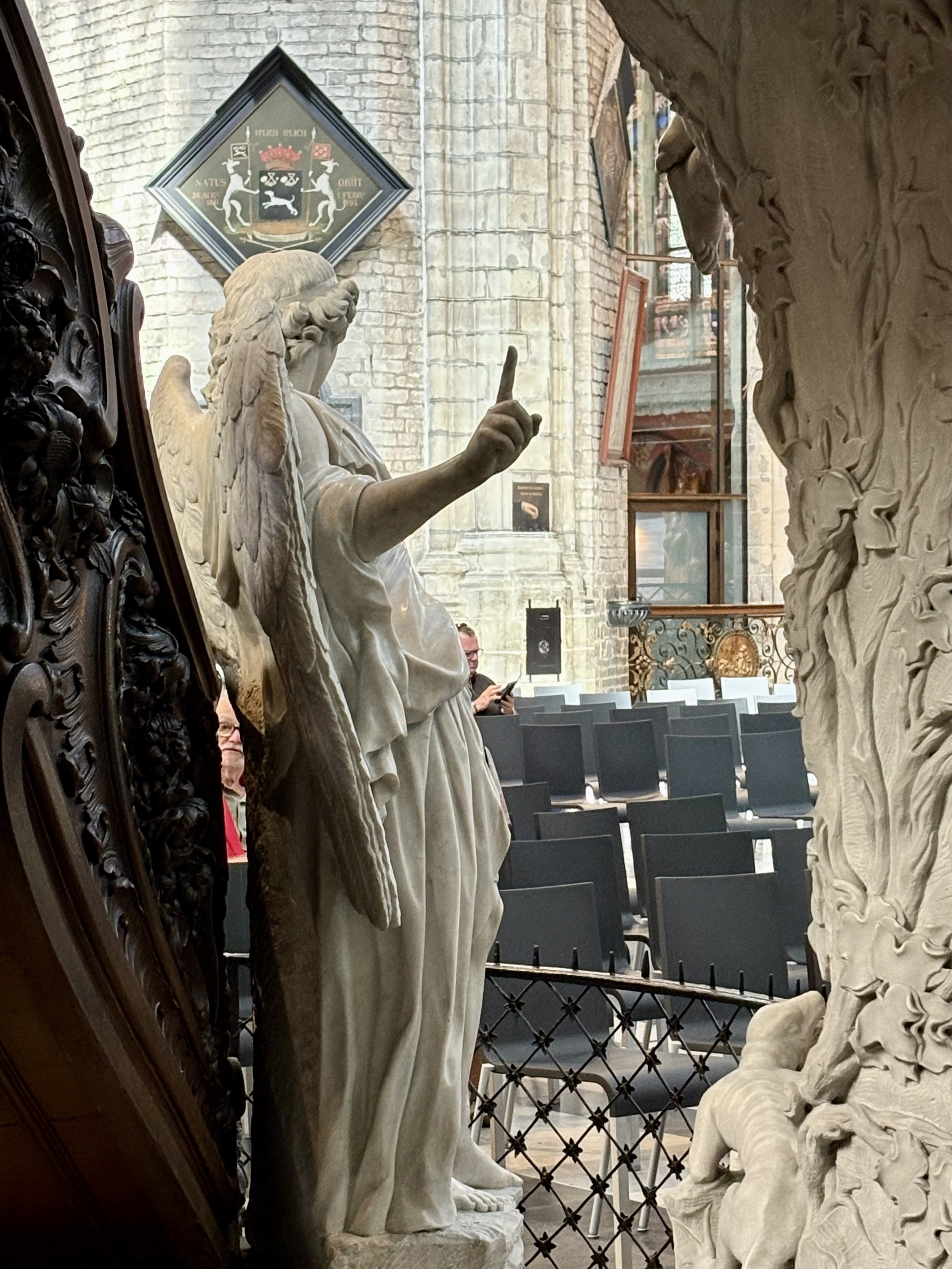
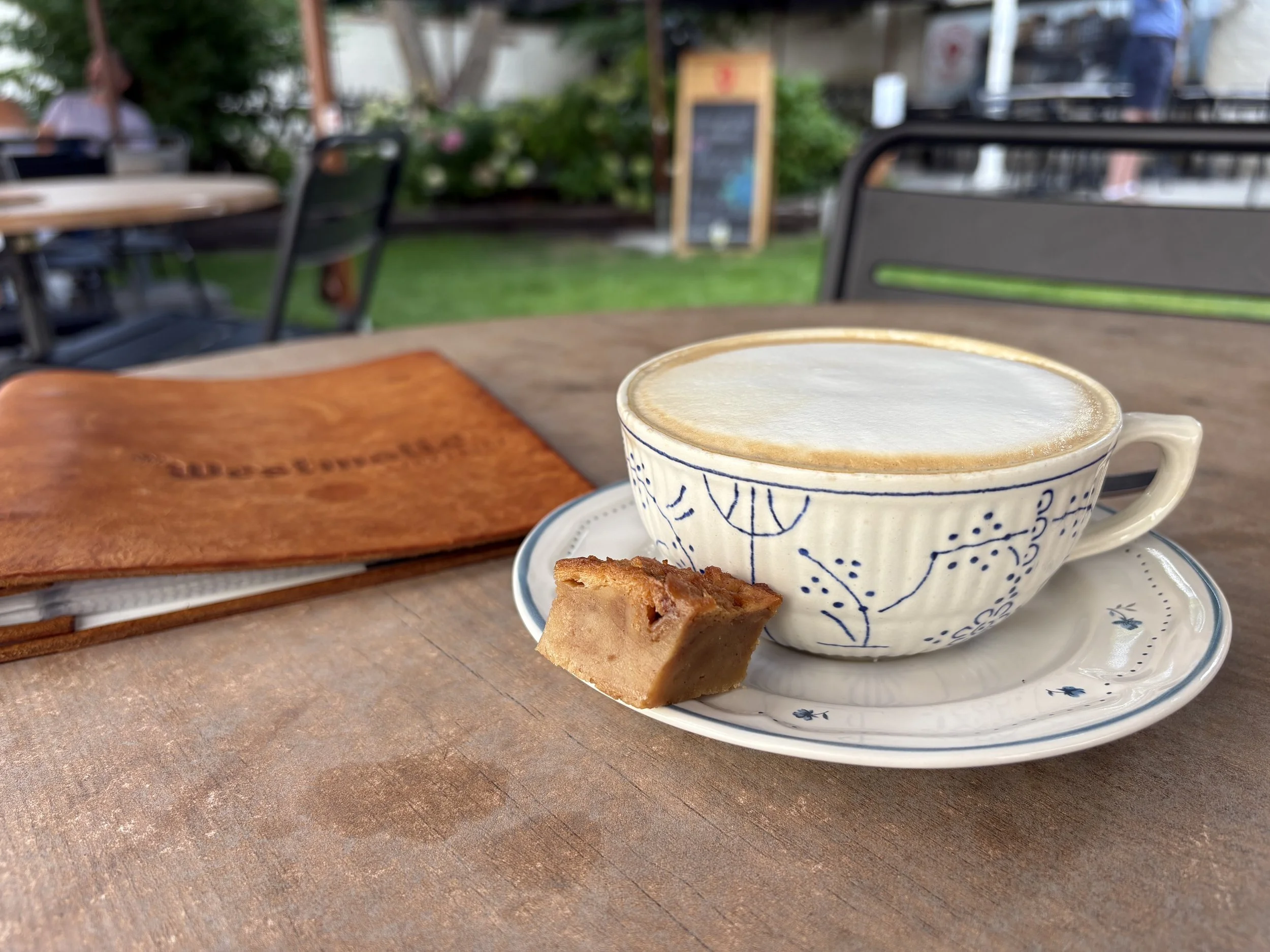
Meanwhile, Germany seems to have lost its soul. Having lived in Germany for nearly 2 years in my early 20s, I was heartbroken to see a country that seemed to have lost its identity and social cohesion. I struggled to find institutions supporting local artists. Old galleries still held tired collections with lacklustre patrons shuffling their feet trying to find the obligatory tourist tick box item to photograph with their phone and immediately move on.
Thankfully, Cologne still hosts the largest games conference in the world with regular crowds of 500,000. Gamescom did not disappoint this year and interestingly saw a tiny Australian Indie Game studio launch Hollow Knight: Silksong, which broke the internet! This incredible piece of art was actually produced by a 3-person team from South Australia. I was very proud to be an Australian representing at Gamescom (pitching our new game Bravecart at Hojo Studio) when one of our own local artists blew the world away.
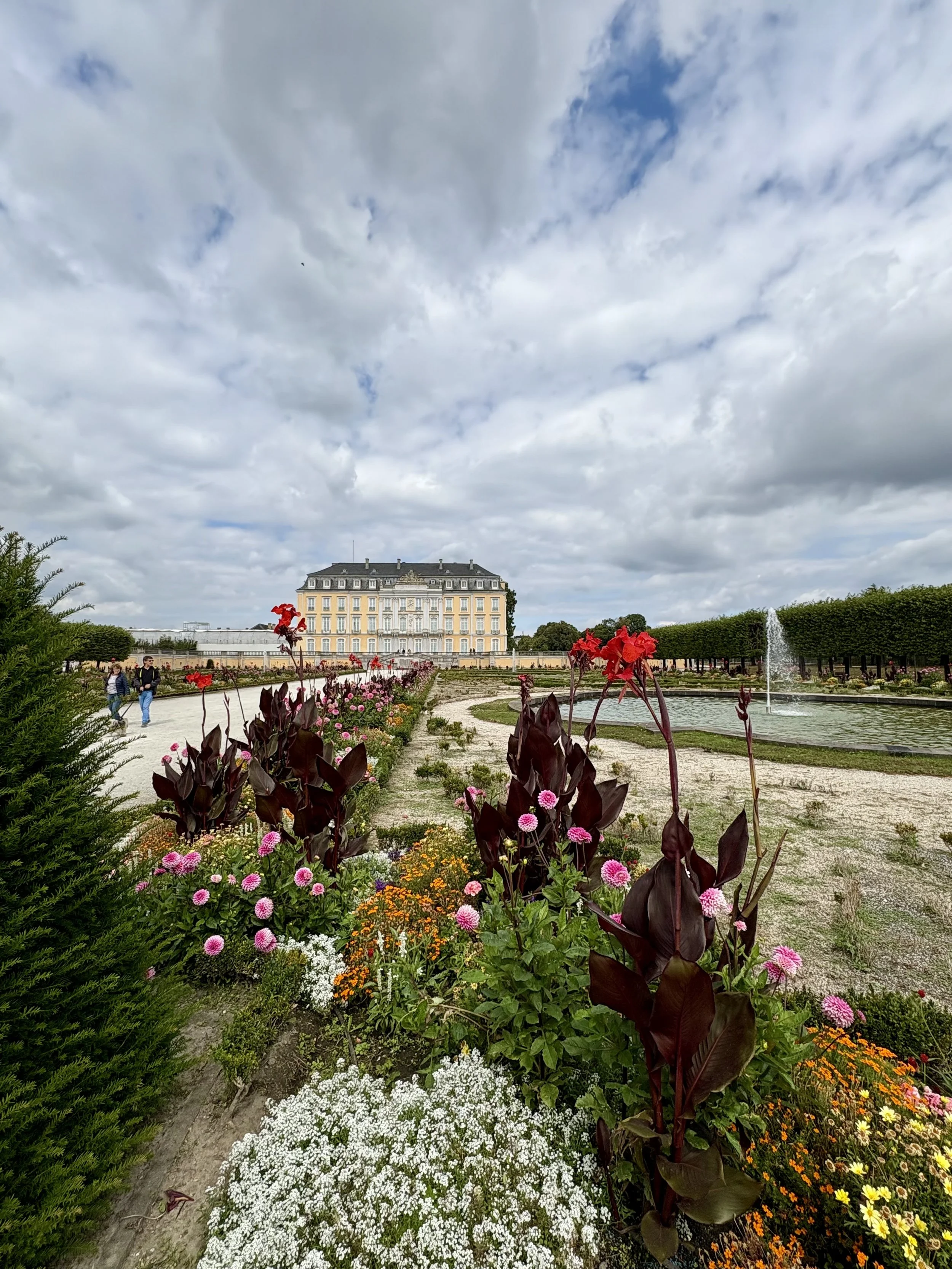
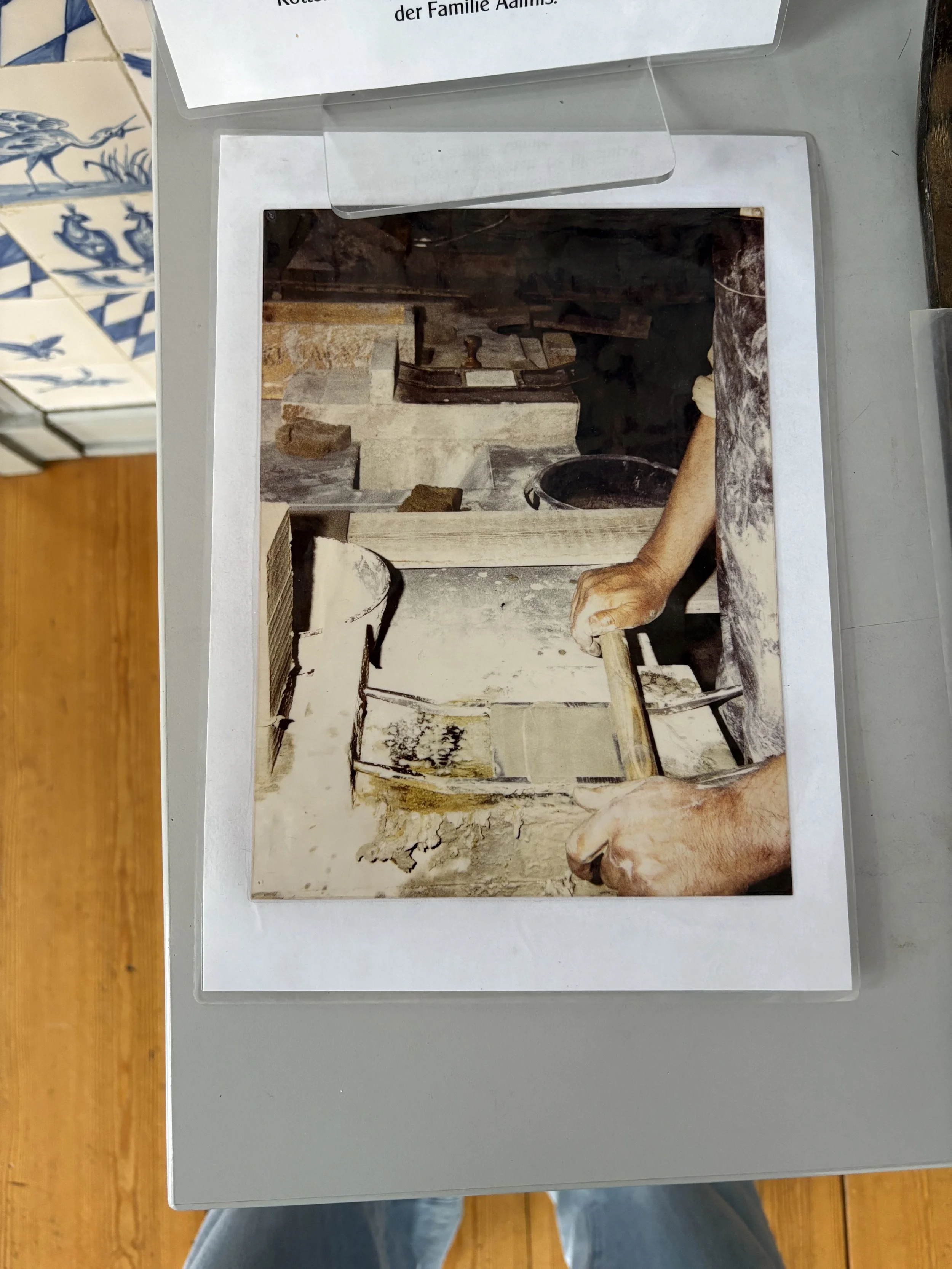
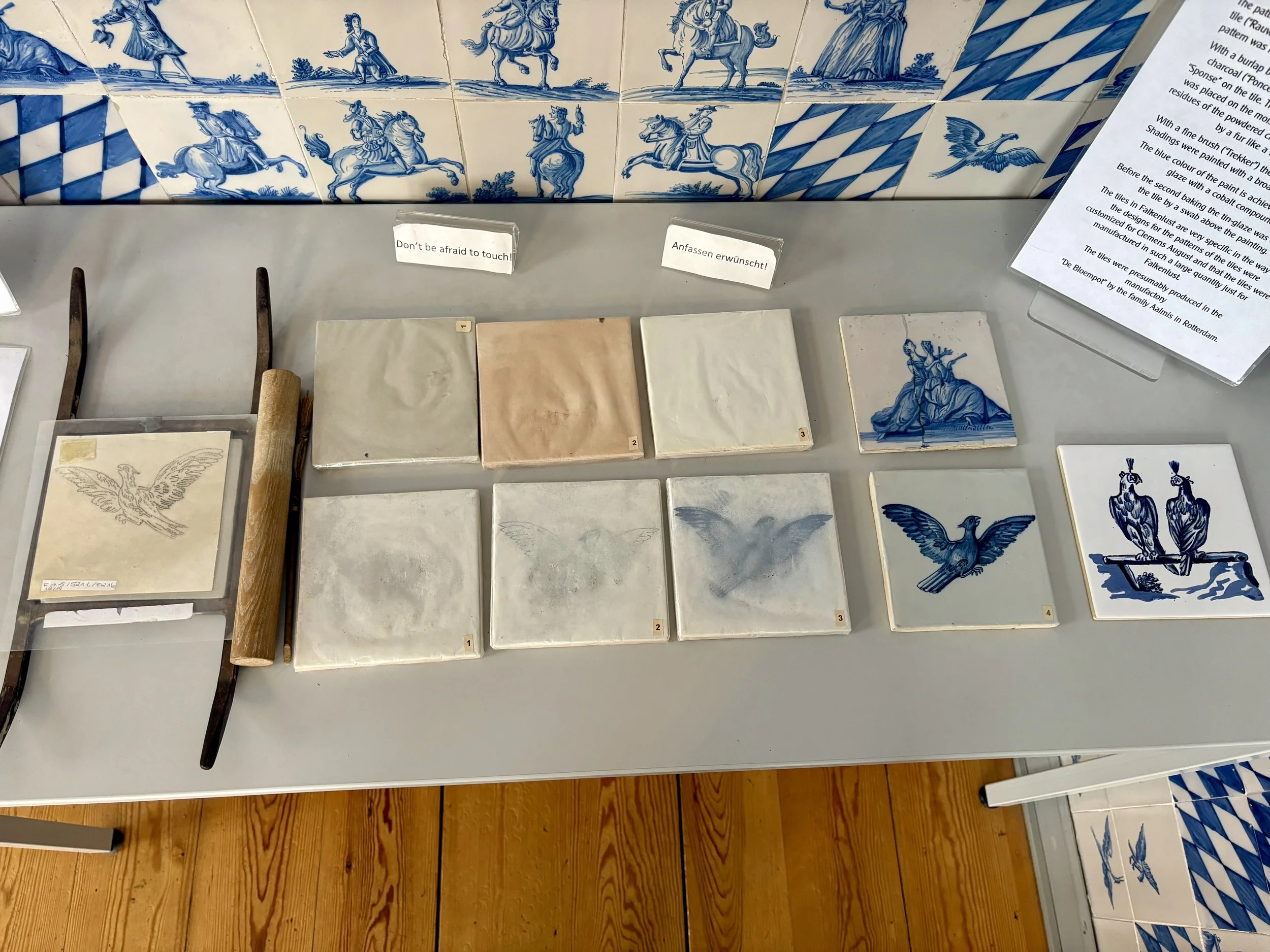
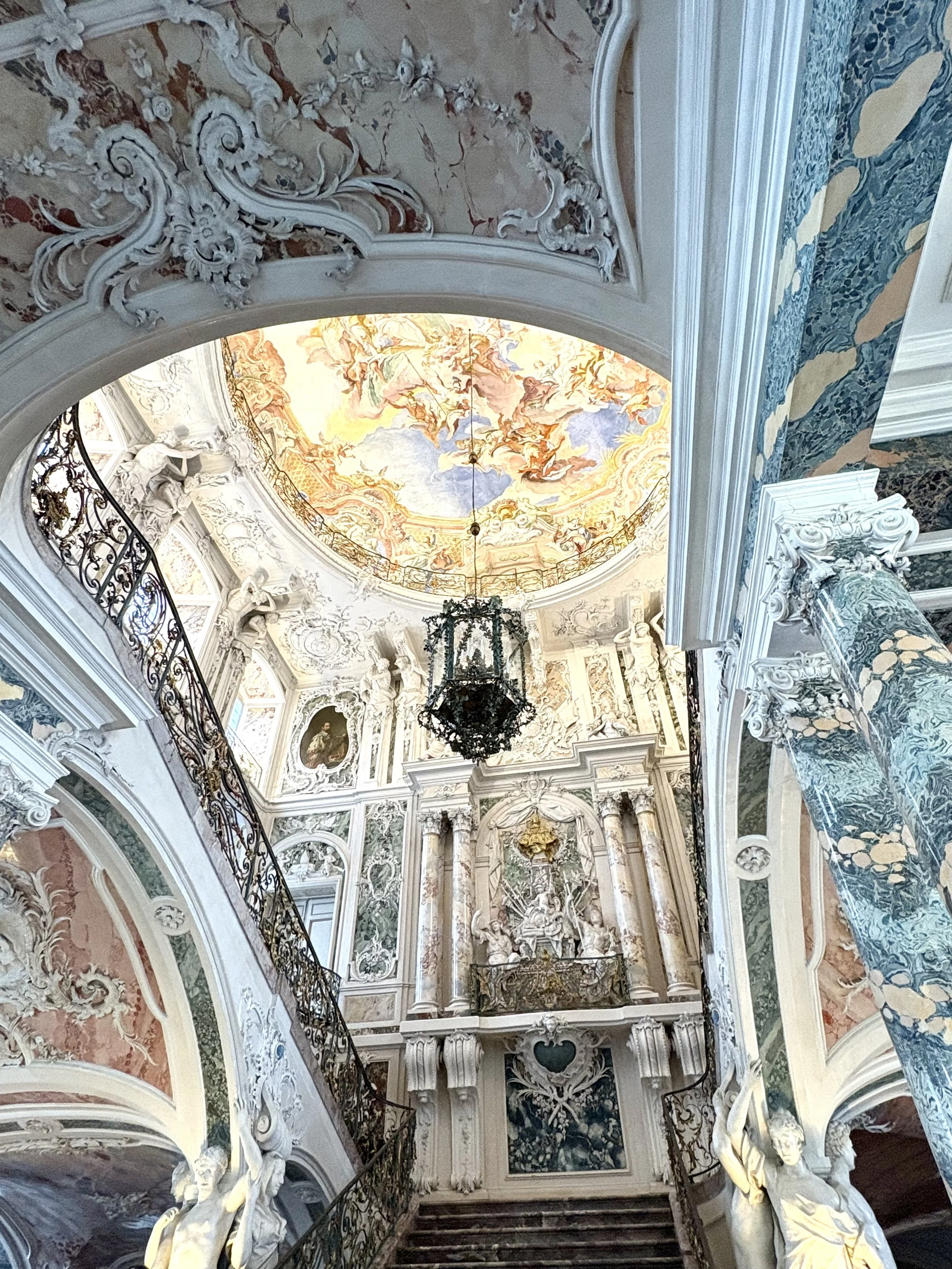
About a 10min train ride from Cologne is the town of Bruhl. There is an amazing castle and hunting lodge that remained mostly preserved through the war. It houses some of the most beautiful ceramic tiles, including a step by step gide on the ancient techniques used.
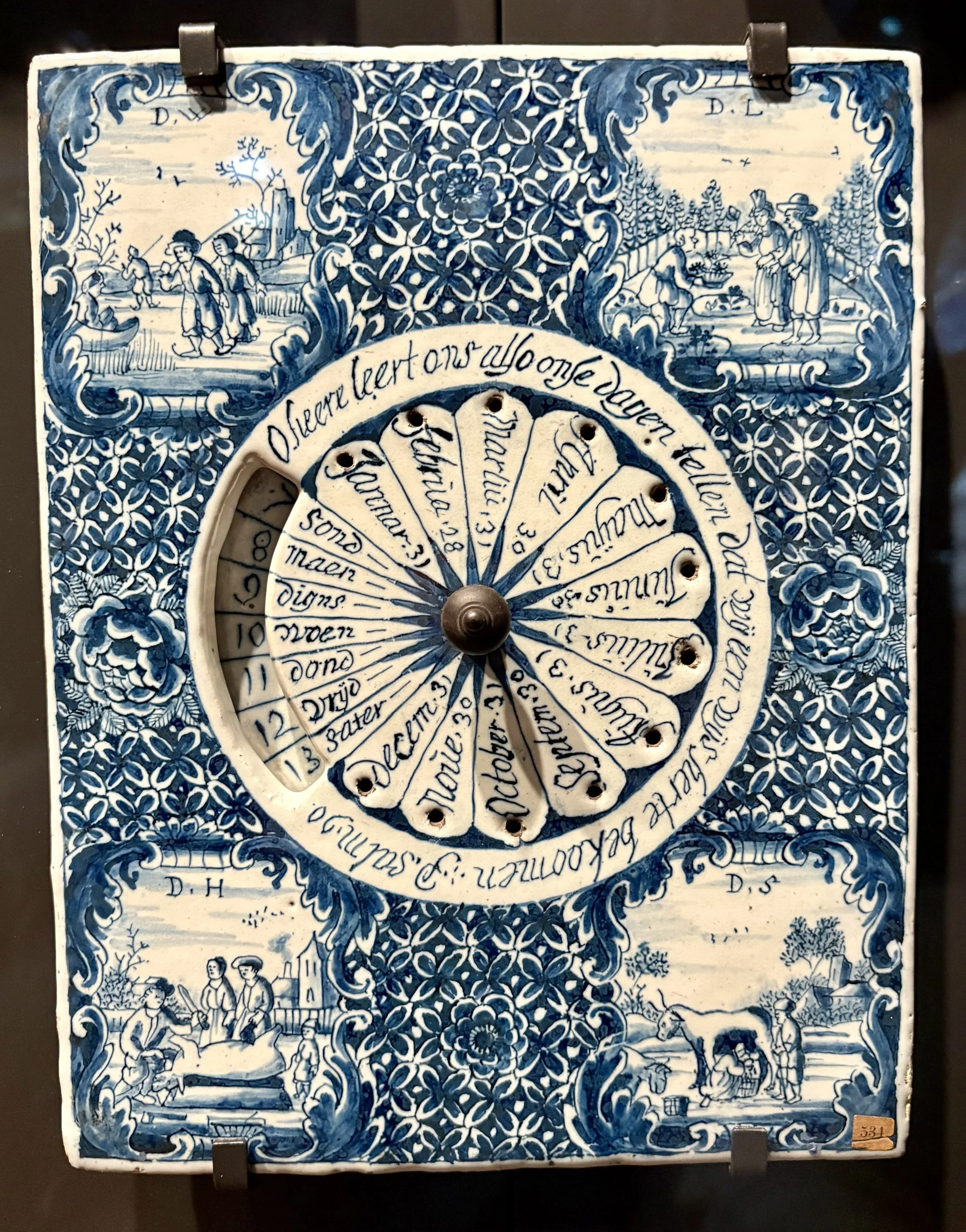
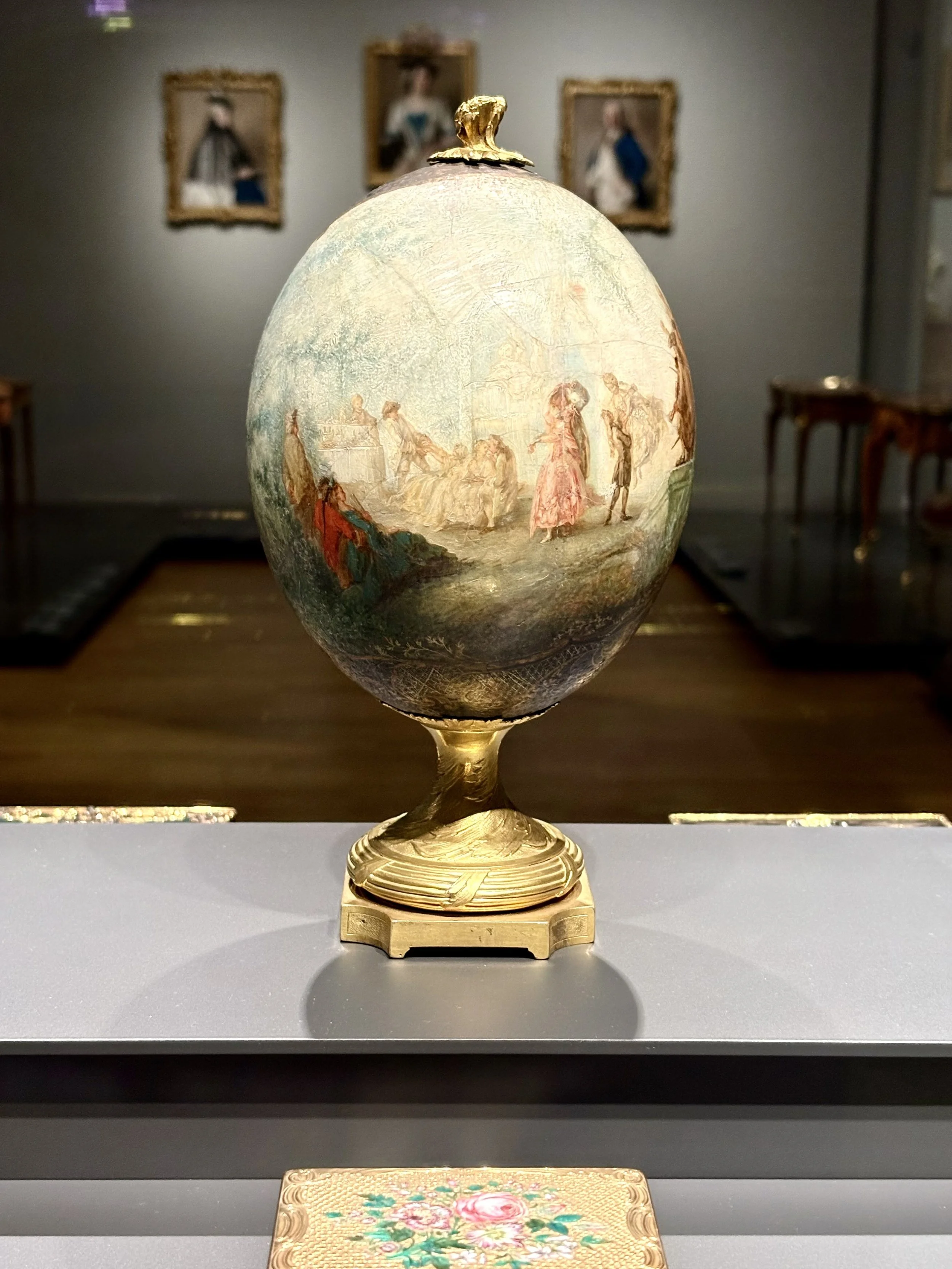
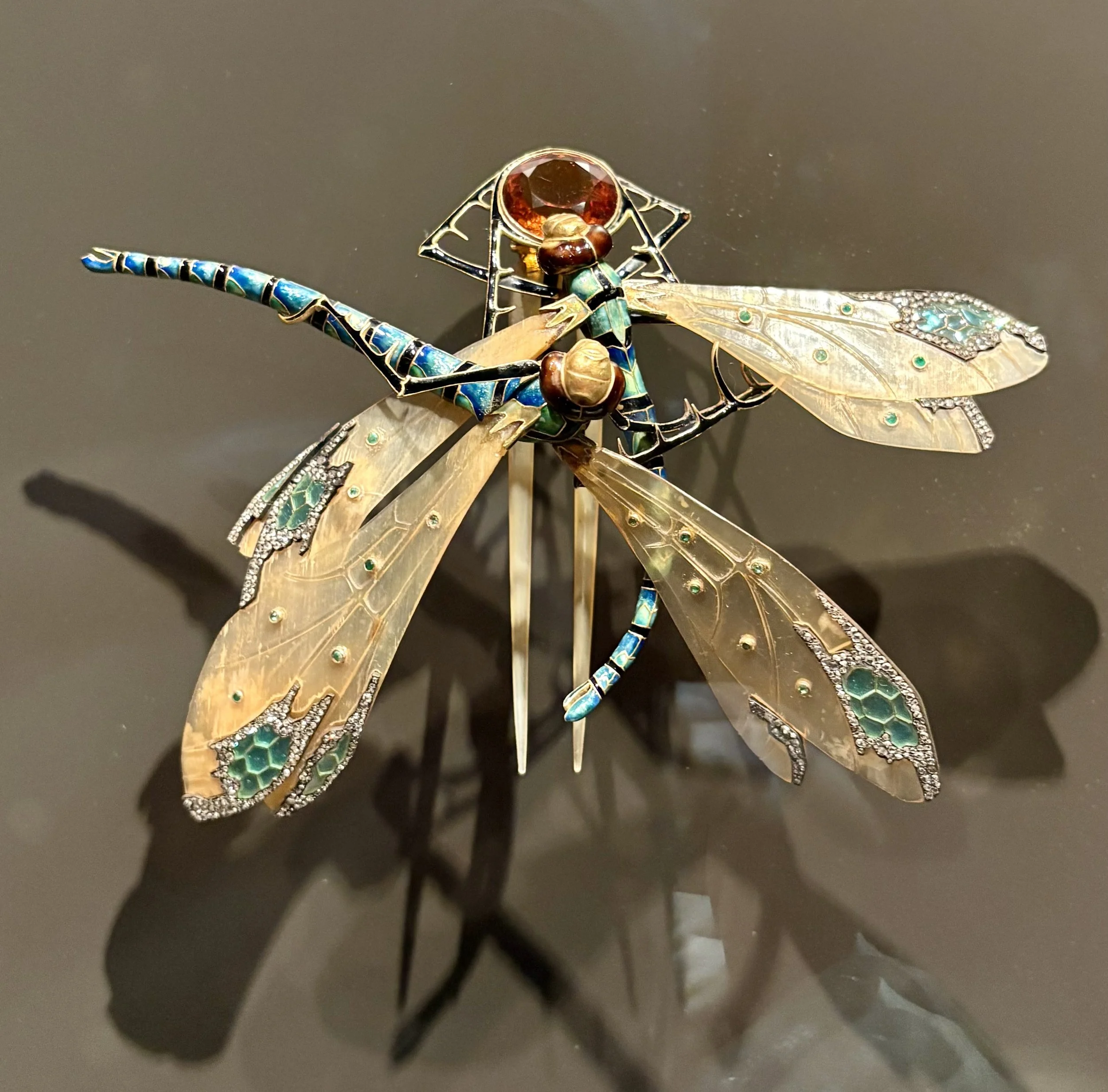
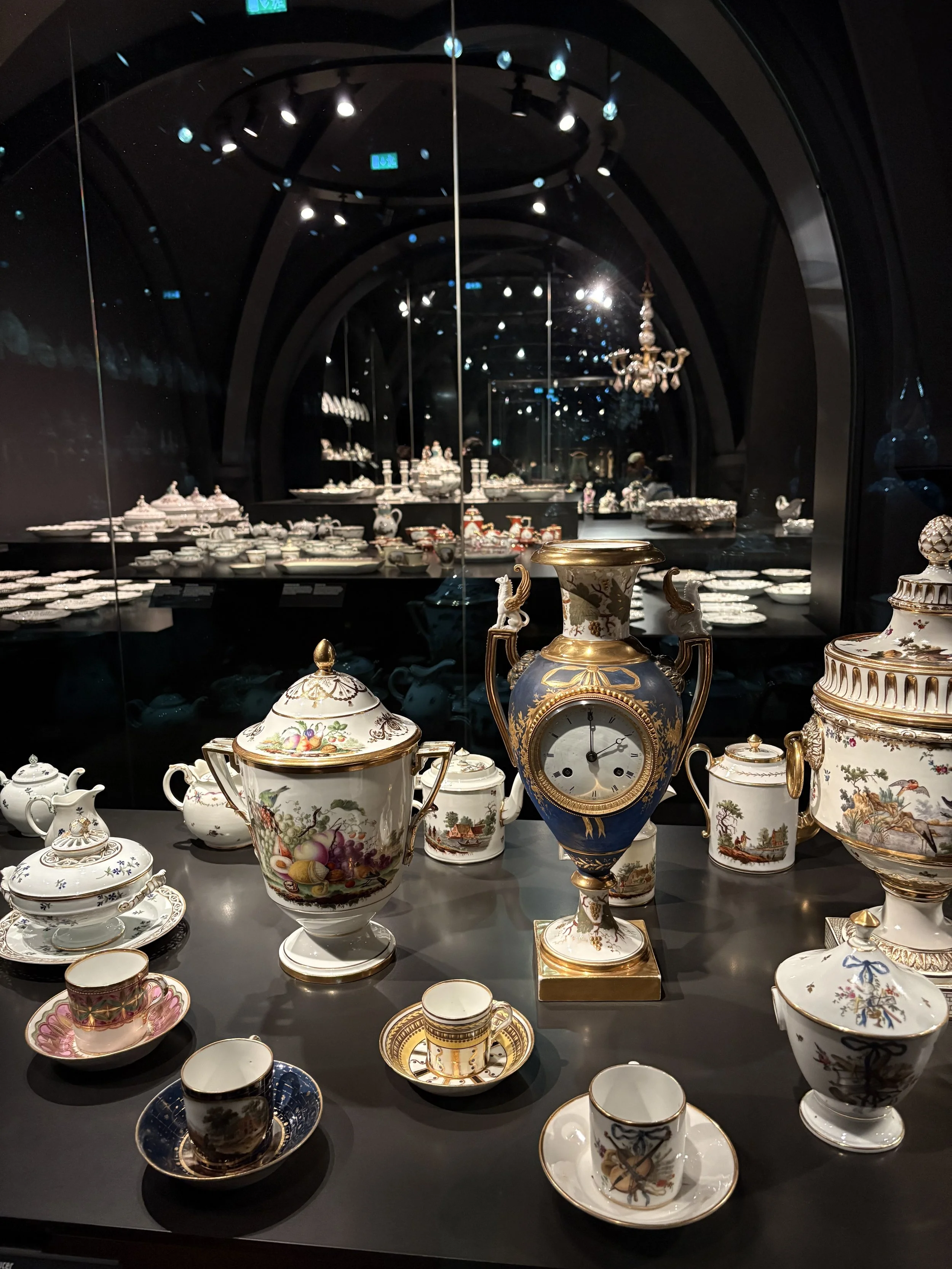
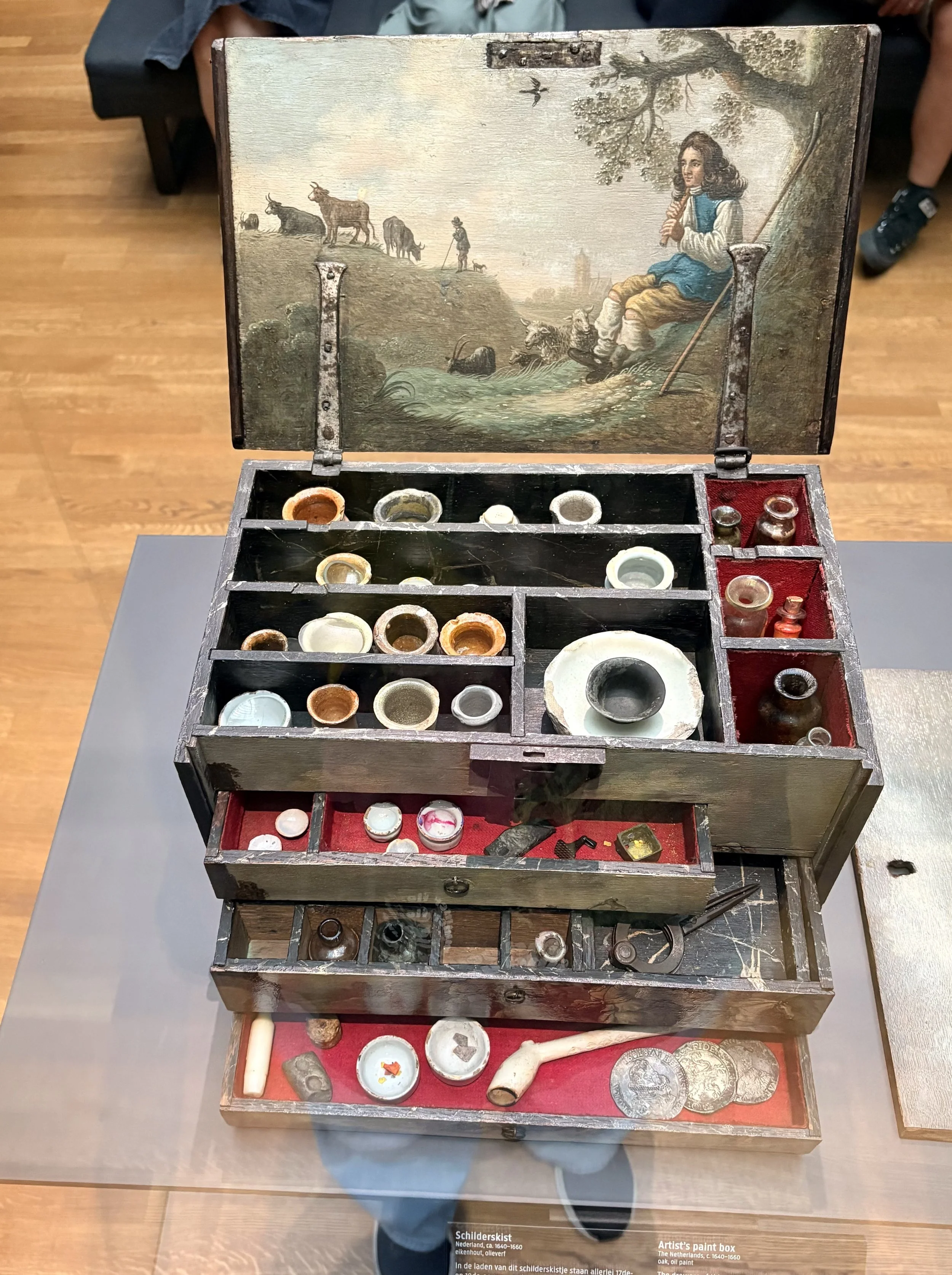
Shifting to Amsterdam, she still drinks the artist lifestyle day and night, with one of the most epic ceramic collections I have ever seen in the Rijksmuseum. I must have spent at least 2 hours in the ceramic arm of the museum alone with ceramic artefacts from all over the world! While obviously seeing the Van Gogh sunflowers is on the standard tourist guide, Rijksmuseum must be on the international potters’ guide!
Lastly, I will end with Budapest. Having never travelled there before, I was impressed with the way modern Hungarians are piecing together their history after a long history of invasions, occupation and communism that curtailed public displays of artisan craft and art.
Something that surprised me was that Hungary has a rich history of wine-making from Roman and Celtic origins. Many families had their own vines and family cellars attached to their houses. Despite the best efforts of the Soviets to enforce availability of exclusively mass-produced wines, some of these local traditions were secretly saved and have started to thrive.
Another thing that survived in Budapest is many of the original heritage buildings, including Buda Castle and Parliament House, all of which are being restored and celebrated. There is an integration of public art and sculpture in street scapes which is inspired.
Hungary has realised it has a unique opportunity to create new traditions and live experiences, such as the Bath Party (It’s an electric dance party while hanging out in you bikini immersed in thermal baths) and one of the biggest dance festivals called Sziget “The Island of Freedom” bringing in international artists and hundreds of thousands of people to Budapest over a week to listen to live music and dance.
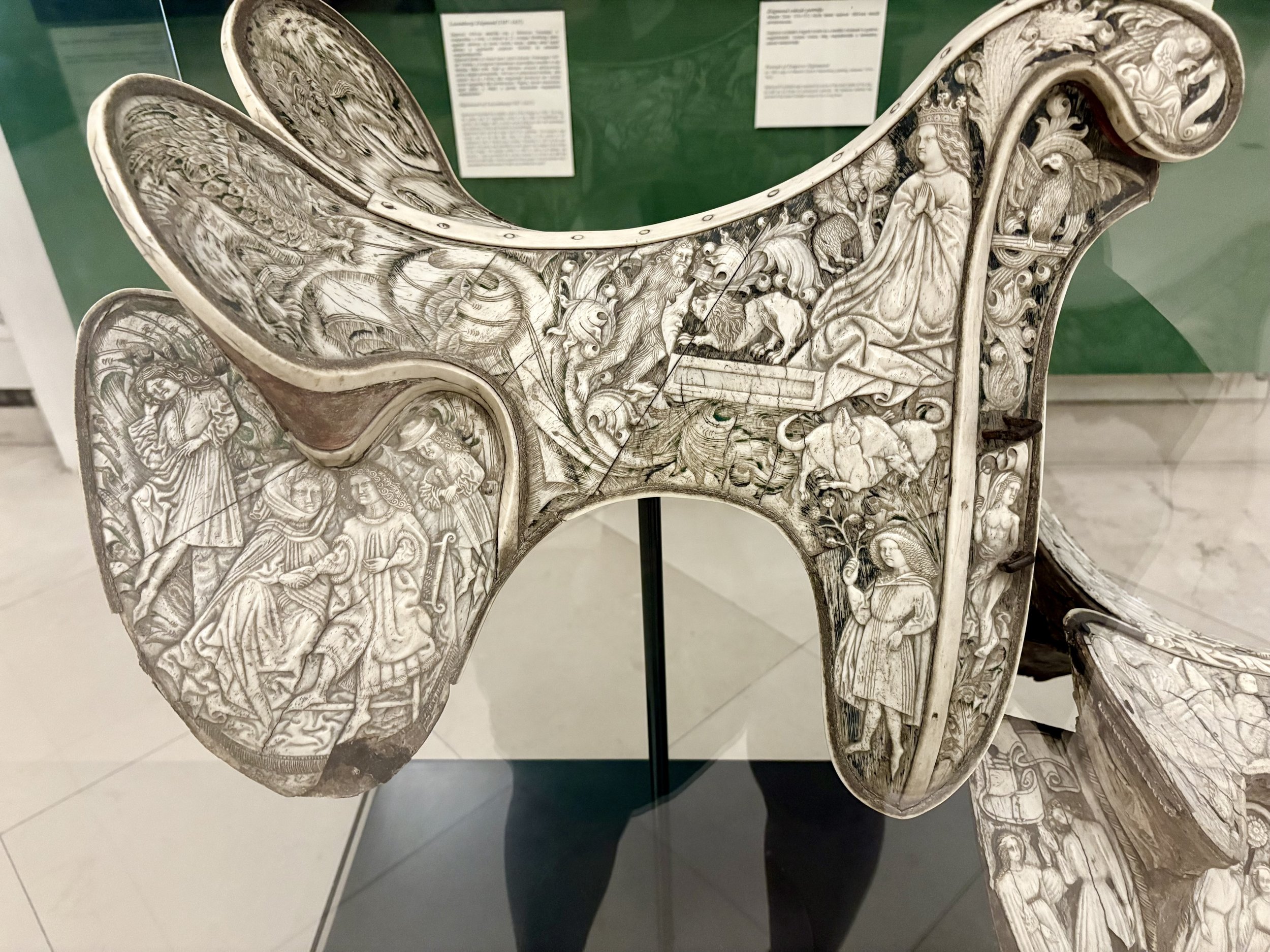
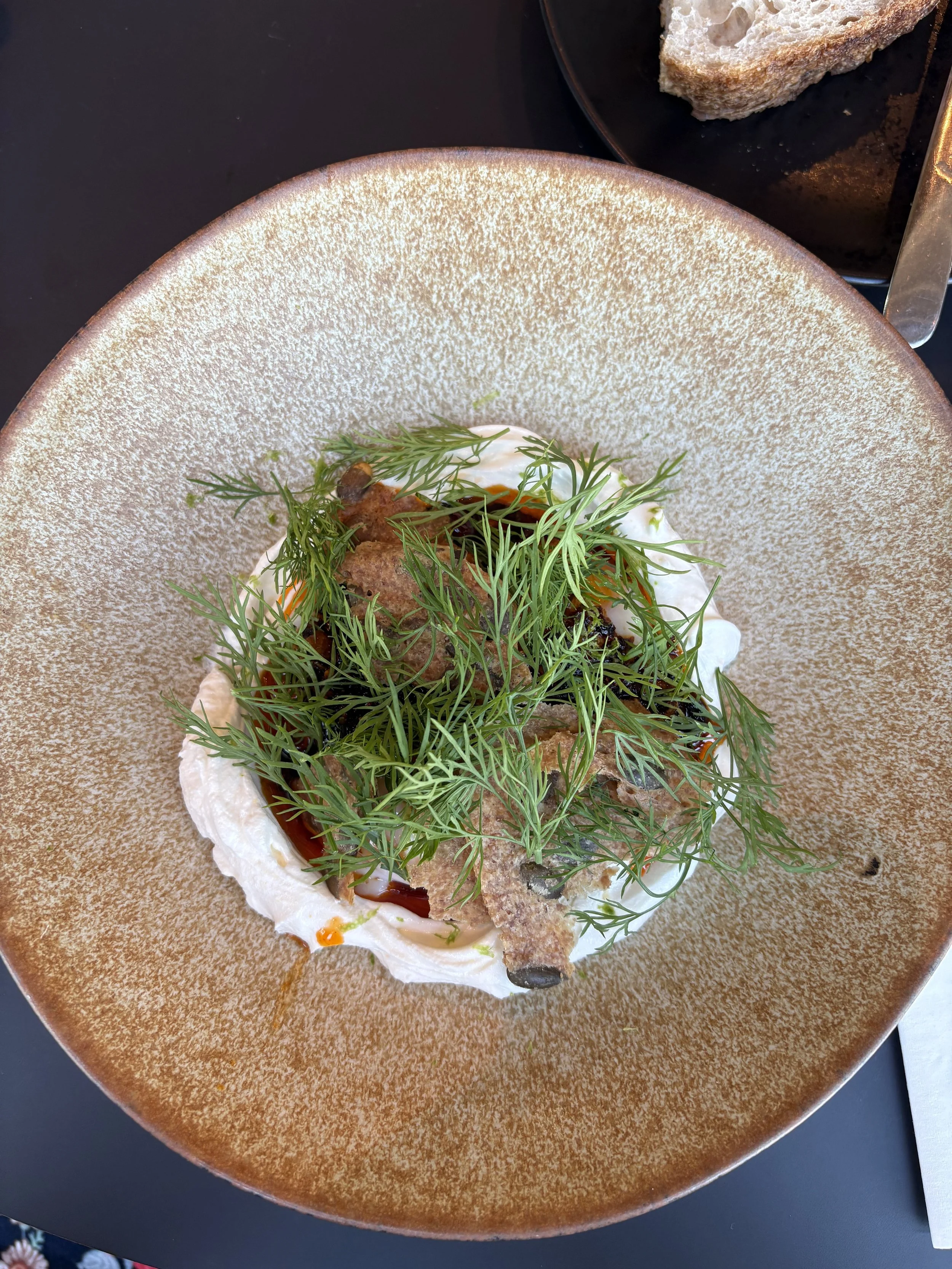
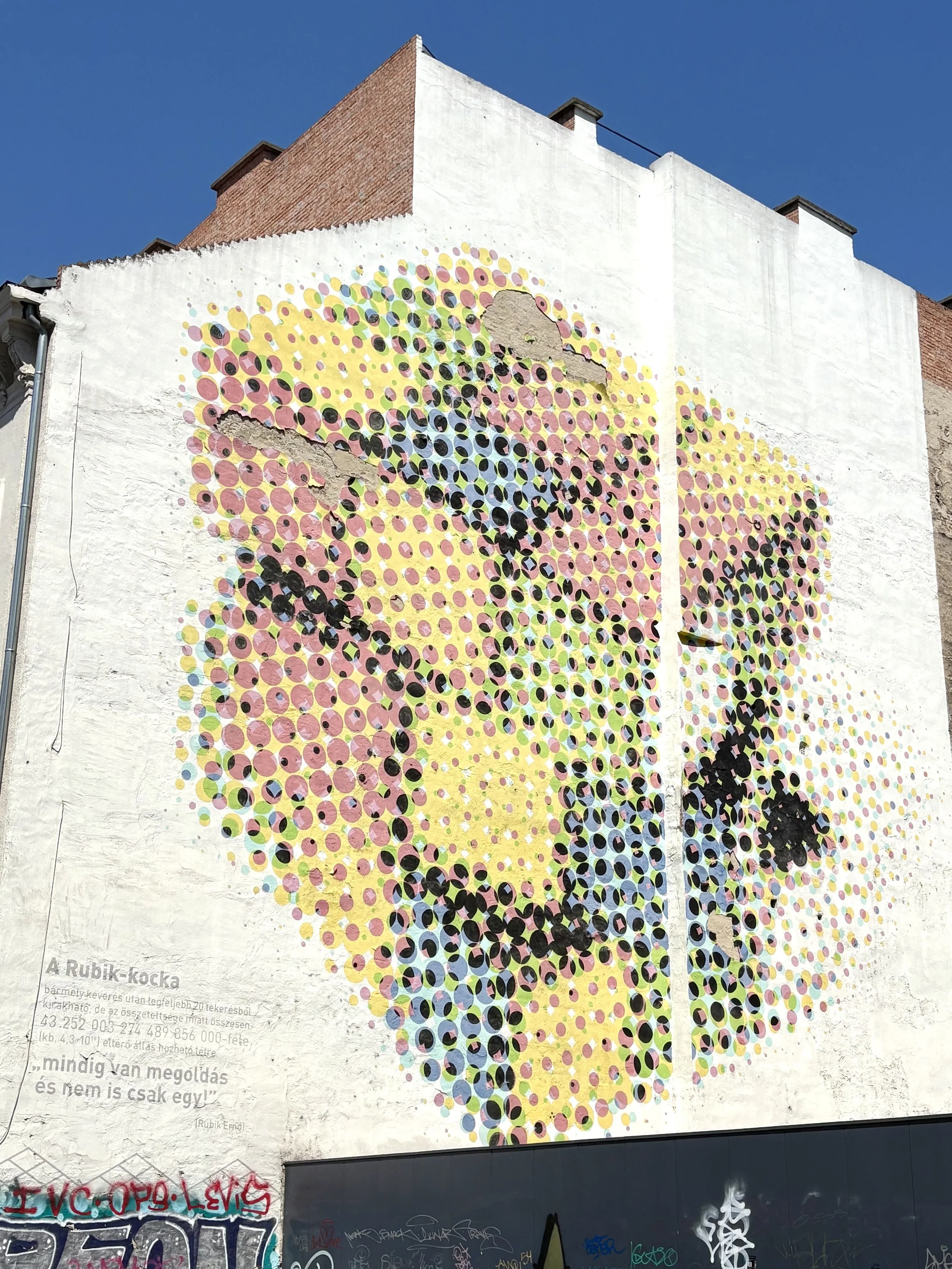
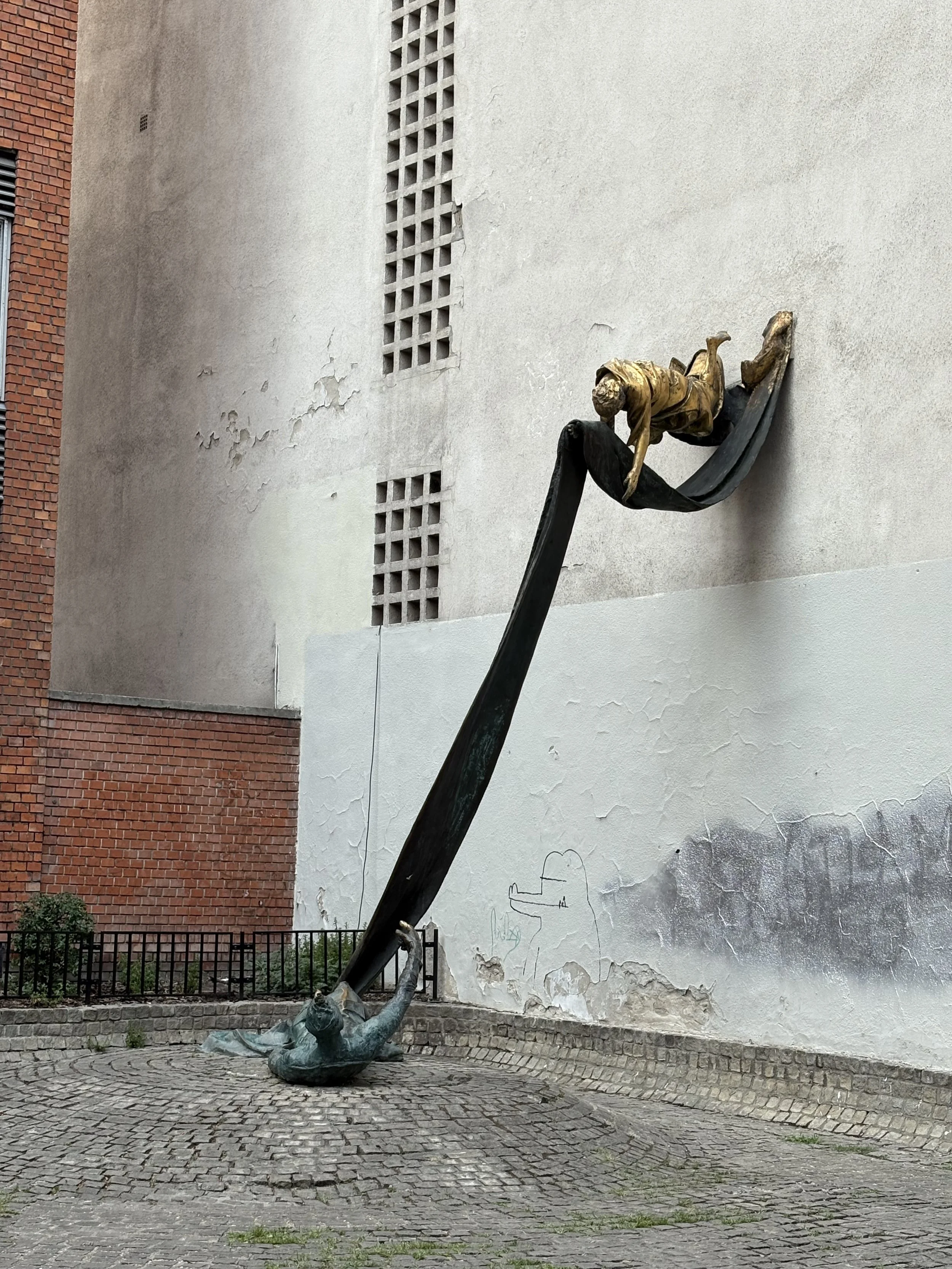
It was an incredible experience to see what European art looked like in 2025! It has also made me appreciate that even in a market as unattainable as Europe, there is still hope for Australian artists, especially in the space of digital art such as games. There is a resurgence of people wanting to engage with art and local artists. In the AI age, it seems that experiencing something truly unique is still valuable.